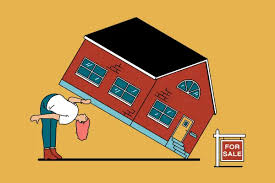
Buyer’s remorse is a feeling of regret after making a purchase, especially a large or significant one. It often happens when a person second-guesses their decision, worries they paid too much, or feels they chose the wrong item. Understanding the causes and developing strategies to avoid it can lead to more confident and satisfying buying experiences.
Understanding the Big Purchase Feeling
Making a big purchase is exciting. You might spend weeks or months saving up. You picture how the new item will make your life better.
This happy feeling is often called “anticipation.” It’s a natural part of wanting something new and good.
But what happens after you buy it? Sometimes, the reality doesn’t match the dream. The item might not be as perfect as you thought.
Or, you might see something else later that seems better. This is where the regret can creep in.
Why do we feel this way? It’s a mix of things. We want to feel like we made a smart choice. We don’t want to waste our hard-earned money.
We also worry about what others will think. Our brains try to justify the purchase. But when that fails, regret can surface.
It’s not just about the money. It’s about the time, effort, and hope we put into finding the item. When that doesn’t pay off, it feels like a loss.
This is true for many people in the U.S. We work hard for our money. We want our purchases to make us happy for a long time.
My Own Big Purchase Scare
I remember one time I bought a new laptop. It was a big splurge for me. I had read all the reviews.
I thought it was the fastest, most reliable machine out there. The first week was amazing. Everything was so quick!
Then, a friend showed me their new laptop. It had a slightly different feature. Suddenly, I started thinking, “Maybe I should have gotten that one.” I began noticing tiny things about my laptop that I hadn’t before.
Was the screen really as bright? Did it feel as solid?
That familiar knot of doubt started to form. I felt a little sick to my stomach. I kept going back to the store’s website.
I compared specs. I told myself, “You made a mistake.” It was a real low point. I felt silly for letting a small detail bother me so much.
It took a conscious effort to step back and see the bigger picture. I had to remind myself why I bought the first one. It met all my main needs.
The other feature was just a nice-to-have.
The Science Behind Buyer’s Remorse
Experts have studied this feeling. They call it cognitive dissonance. This is when you hold two conflicting beliefs.
For example, you believe you are a smart shopper. But you also believe you might have made a bad purchase. Your mind doesn’t like this conflict.
It tries to fix it.
One way it fixes it is by focusing on the bad parts of the choice you made. You start to magnify the flaws. At the same time, you might ignore the good things.
You also might start to idealize the options you didn’t choose. This makes the regret feel even worse.
This is especially true for “parity products.” These are items where many options seem similar. Think about buying a new couch or a TV. It’s hard to see the real difference until you live with it.
That’s when small issues can really stand out.
Our emotions play a big role too. We want to feel good about our decisions. We want to feel in control.
When a purchase leads to regret, it shakes that sense of control. It can make us feel like we aren’t as smart or capable as we thought.
Common Triggers for Regret
Impulse Buys: Buying something quickly without thinking. This is a top reason for regret.
High Cost: The more money you spend, the more you worry about the choice.
Too Many Options: When there are many similar choices, it’s easy to wonder if you picked the best one.
Pressure: Feeling rushed by a salesperson or a sale can lead to bad choices.
Unmet Expectations: The product or service doesn’t do what you hoped it would.
Before You Click “Buy”: The Pre-Purchase Checklist
The best way to avoid regret is to stop it before it starts. This means being smart before you spend your money. It sounds simple, but many people skip these steps.
First, ask yourself: Do I truly need this? It’s easy to want things. Wanting is different from needing. Make a list of your actual needs.
Then see where the new item fits.
Next, think about your budget. Can you comfortably afford this? Don’t stretch yourself too thin.
A purchase that causes financial stress is a recipe for regret.
Consider alternatives. Are there other ways to meet this need? Can you borrow something?
Can you use what you already have? Sometimes a simple fix is all you need.
If you’re buying something significant, give yourself time. Don’t buy it on the same day you first see it. Sleep on it.
Wait a few days or even a week.
Needs vs. Wants: A Quick Scan
- Need: A new coat because your old one is ripped and it’s winter.
- Want: A designer coat because it’s fashionable, even though you have three perfectly good coats.
- Need: A reliable car to get to work.
- Want: A sports car that you can barely afford and isn’t practical for daily use.
Key Idea: Needs are essential. Wants are desires. Focusing on needs first helps prevent regret.
Research is Your Best Friend
This is where many people fall short. They see a shiny new thing and buy it. But good research is key to a good purchase.
What should you look for?
Read Reviews: Don’t just look at the star ratings. Read what people are actually saying. Look for common problems.
Also, look for comments about customer service. This can tell you a lot.
Compare Prices: Use price comparison websites. Check different stores. Sometimes a sale isn’t the best deal.
You might find it cheaper elsewhere.
Watch Videos: Product review videos can be very helpful. You can see the item in action. You can hear about real-world use.
Check the Return Policy: This is HUGE. What if you get it home and it’s just not right? Make sure you can return it easily.
Understand the time limits and any restocking fees.
Talk to Experts (or people who use it): If it’s a specialized item, like for a hobby, ask people who know about it. Online forums or local groups can be great resources.
Remember, research isn’t just about finding the cheapest price. It’s about finding the right product for you. It’s about building confidence in your decision before you spend a dime.
The Power of “Good Enough”
We often get caught up in having the absolute “best.” We want the latest model, the most features, the highest rating. But is that always necessary? Often, a “good enough” option is perfectly fine.
Think about your needs again. Does the “good enough” option meet all of them? If the answer is yes, then it might be the smarter choice.
You save money. You avoid the stress of finding the absolute perfect thing.
This is related to the “paradox of choice.” When we have too many options, we can become overwhelmed. We spend too much time deciding. And even after we choose, we worry if we picked the right one.
Settling for “good enough” can simplify this process.
It’s about managing your expectations. You don’t need a professional-grade espresso machine if you just want one cup of coffee a day. A good, basic machine will do the job.
And you’ll be happier with the purchase because it meets your actual needs without excess.
When “Good Enough” Works Wonders
Household Appliances: A basic, reliable washing machine is better than an expensive one that breaks down.
Clothing: Comfortable, well-fitting basics are more valuable than trendy items that won’t last.
Technology: A phone that handles calls, texts, and basic apps is enough for many users, saving hundreds.
Tools: A standard hammer is fine for most DIY projects; a professional-grade one might be overkill.
Dealing with Post-Purchase Doubts
Okay, so you’ve bought something, and now you’re feeling that uneasy feeling. What can you do? Don’t panic.
You can still manage this.
Revisit Your Reasons: Why did you buy it in the first place? Look back at your notes or your thoughts. Remind yourself of the problems it solves or the joy it brings.
Focus on the Positives: Make a list of all the things you like about your purchase. How is it helping you? What are the benefits?
Limit Exposure to Alternatives: If you keep seeing ads for other products or hearing friends talk about them, try to tune it out for a while. This will help you focus on your own decision.
Talk It Through: Sometimes, just talking to a trusted friend or family member can help. They can offer a fresh perspective. They might remind you that it’s okay to have made a choice that isn’t “perfect.”
Use It! The best way to appreciate a purchase is to use it. The more you integrate it into your life, the more you’ll see its value. This active use helps create positive associations.
If the regret is severe, consider the return policy. But try the above steps first. Often, these simple actions can shift your perspective.
They help you feel better about your choice.
When It’s More Than Just Regret
Sometimes, the feeling isn’t just a fleeting doubt. It’s a sign of a deeper issue. When should you be concerned?
Financial Strain: If the purchase has put you in serious debt or makes it hard to pay bills, that’s a problem. The regret here is tied to financial stress.
Ethical Concerns: Did you buy something from a company with bad practices? Does it conflict with your values? This can lead to ongoing discomfort.
Actual Product Flaws: If the product is genuinely defective or doesn’t perform as advertised, it’s not regret. It’s a right to be unhappy and seek a solution.
Compulsive Buying: If you find yourself making big purchases very often and then regretting them, it might be a sign of compulsive buying. This is a behavior that might need professional help.
In these cases, regret is a symptom. You need to address the root cause. For financial issues, budgeting and debt counseling can help.
For ethical concerns, you might need to return the item and find a better alternative. For compulsive buying, seeking therapy is a wise step.
Signs It’s Beyond Simple Regret
- Constant Worry: You can’t stop thinking about the purchase and its negative aspects.
- Physical Symptoms: Stress, anxiety, or sleep problems related to the purchase.
- Relationship Strain: Arguments with partners or family about the money spent.
- Repeated Behavior: You keep making similar “bad” purchases.
Building a Smarter Buying Habit
Avoiding big purchase regret is not a one-time fix. It’s about building better habits over time. What does that look like?
Create a Wishlist: Instead of buying impulsively, add items to a wishlist. This lets you track what you want without immediate commitment. You can review it later when you’re in a more rational mood.
Set Spending Goals: Decide how much you’re willing to spend on certain categories of items per month or year. This creates a budget boundary.
Practice Delayed Gratification: Learn to wait. The longer you wait for something you truly want, the more valuable it often feels. And you confirm that it’s not just a fleeting desire.
Unsubscribe from Marketing Emails: Constant bombardment with sales and new products fuels impulse buying. Reduce the temptation by cutting off the source.
Focus on Value, Not Just Price: Think about how long an item will last. Does it serve a real purpose? Is it well-made?
Value encompasses more than just the initial cost.
Developing these habits takes time. Be patient with yourself. Every smart purchase you make reinforces the new behavior.
Every time you avoid a regret, you build more confidence.
Smart Buying Habits in Action
Example: You want a new TV. Instead of buying the first one you see, you add it to a wishlist. You research for a week.
You compare prices. You read reviews. You decide on one that fits your budget and needs.
You buy it. You feel confident and happy.
Contrast: You see a TV on sale. You buy it without research. A week later, you see a better model for the same price.
You feel regret and frustration.
The Emotional Side of Spending
Our emotions are deeply tied to how we spend money. We often buy things to feel a certain way. We might buy things to feel happy, successful, or secure.
But these feelings are often temporary.
Emotional Buys: Feeling sad? You might buy something to cheer yourself up. Feeling stressed?
You might buy something to feel in control. These purchases rarely solve the underlying emotion.
Social Media Influence: We see others posting their new purchases. This can make us feel like we’re missing out. It can create a desire for things we don’t actually need.
The “Treat” Mentality: Sometimes we feel we “deserve” a treat. This can lead to impulse spending. It’s okay to treat yourself.
But it’s better to plan these treats rather than do them impulsively.
Understanding your emotional triggers is key. When you feel an urge to buy something out of emotion, pause. Ask yourself: “What am I really feeling right now?
What do I truly need?” Often, the answer isn’t another product.
Sometimes, spending time with loved ones, going for a walk, or practicing mindfulness can address emotional needs better than any purchase ever could. This emotional self-awareness is a powerful tool against buyer’s remorse.
When to Seek Expert Advice
While many cases of buyer’s remorse are normal, there are times when professional help is beneficial. If you find yourself consistently making purchases that cause distress, it’s worth exploring further.
Financial Advisors: If your spending habits are causing significant financial problems, a financial advisor can help you create a budget, manage debt, and plan for the future. They offer expert guidance on managing your money wisely.
Therapists or Counselors: If you suspect compulsive buying, emotional spending, or if regret is leading to significant anxiety or depression, a mental health professional can provide support and strategies. They can help you understand the root causes of your spending patterns.
Consumer Protection Agencies: If you’ve been misled or sold a faulty product, these agencies can offer advice and resources. They advocate for consumer rights and can guide you through disputes.
Don’t hesitate to reach out if you’re struggling. Seeking help is a sign of strength, not weakness. It’s about taking control of your financial and emotional well-being.
The Long Game: Investing in Lasting Satisfaction
Ultimately, avoiding big purchase regret is about playing the long game. It’s about making choices that bring lasting satisfaction, not just temporary thrills.
This means focusing on quality over quantity. It means investing in items that are built to last and serve you well over time. It also means investing in experiences that bring joy and connection, which often leave a more profound and lasting impact than material possessions.
When you shift your focus from immediate gratification to long-term value, you naturally reduce the chances of regret. You become a more mindful and intentional consumer. Your purchases start to align with your life goals and values.
Think about the things you own that you’ve had for years and still love. They were likely chosen with care. They meet a genuine need.
They have held up well. That’s the kind of purchasing power you want to cultivate.
Conclusion
Feeling regret after a big buy is a common human experience. But it doesn’t have to control you. By understanding why it happens and by adopting smart habits before, during, and after a purchase, you can significantly reduce its impact.
Be patient, be mindful, and trust your informed decisions. This approach leads to purchases you can feel truly good about, now and in the future.