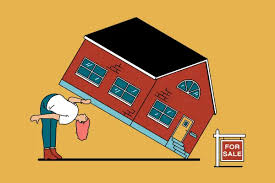
First-time homebuyers often overlook crucial steps like thorough home inspections, understanding all costs beyond the mortgage, and comparing multiple lenders. Being unprepared for unexpected expenses and rushing the process are also common errors. Educate yourself on these areas to avoid costly mistakes and find a home that truly fits your needs and budget.
Understanding Common Home Buying Mistakes First Time Buyers Make
Buying a house is a big deal. It’s often the largest purchase you’ll ever make. For many, it’s the first time they’ve tackled such a task.
This can lead to some stumbles along the way. We’ve all heard stories or seen movies where things go wrong. Sometimes, these are just funny tales.
Other times, they are real problems that cost people dearly.
These mistakes aren’t signs that you’re not smart. They just mean you’re new to this. The real estate world has its own language.
It has its own rules and steps. It’s easy to get lost if you don’t know the map. That’s why we’re here to draw that map for you.
We want to make sure your home buying journey is as smooth as can be. We’ll break down what can go wrong and how to stop it from happening.
So, what are these common home buying mistakes first time buyers often fall into? Let’s explore them. We’ll look at why they happen.
We’ll also talk about how you can sidestep them. This will save you time, money, and a whole lot of worry.
My First Home Buying Fumble
I remember my first time buying a house. It was years ago. I was so excited to finally own my own place.
I pictured cozy evenings and weekend projects. I found a cute little bungalow in a nice neighborhood. It seemed perfect.
The price felt a bit high, but I loved it so much. My agent kept saying it was a hot market.
I skipped a few steps. I was in a rush. I wanted it before someone else did.
One big mistake I made was not getting a second opinion on the inspection report. The inspector said everything was “mostly fine.” He pointed out a few minor things. I just nodded along.
I was too busy dreaming about paint colors.
That’s when the real trouble started. A few months after moving in, I noticed a strange smell in the basement. It turned out to be a serious mold problem.
It had been hidden behind some old paneling. The repair bill was huge. It was way more than I had expected.
I felt sick to my stomach. It was a hard lesson about not digging deep enough.
This is just one example. Many other home buying mistakes first time buyers make. They often stem from excitement overriding caution.
Or sometimes, it’s just plain lack of information. But we can learn from these experiences. We can make sure your path is clearer.
Mistake 1: Not Getting Pre-Approved First
What it means: You look at houses without knowing how much you can borrow.
Why it’s a problem: You might fall in love with a house you can’t afford. Or you might miss out on homes in your budget.
The fix: Talk to a lender before you start house hunting. Get a letter saying how much you can borrow.
Not Getting Pre-Approved for a Mortgage
This is a big one. Many people start looking at homes online or driving around. They fall in love with a listing.
Then they go to the bank and find out they can’t afford it. Or they get approved for less than they thought. This is heartbreaking.
It wastes a lot of your valuable time and energy.
Getting pre-approved for a mortgage is different from getting pre-qualified. Pre-qualification is a quick estimate. It’s based on information you give.
Pre-approval is much more thorough. A lender reviews your credit score, income, assets, and debts. They then tell you exactly how much they are willing to lend you.
They’ll also give you an idea of the interest rate.
A pre-approval letter shows sellers you are a serious buyer. It makes your offer stronger. It tells them you have the financial backing.
In a competitive market, this can be the difference between getting a house and losing it. It also helps you set a realistic budget from the start. You won’t waste time looking at homes outside your price range.
Think of it like planning a trip. You wouldn’t start booking flights and hotels without knowing your budget, right? You’d figure out how much money you have first.
Then you’d plan accordingly. Getting pre-approved is the same for buying a house. It’s a crucial first step.
Pre-Approval vs. Pre-Qualification
Pre-Qualification: A rough estimate of how much you might borrow. Usually based on self-reported info. Quick and easy.
Pre-Approval: A formal loan commitment from a lender. Requires a full financial review. Stronger for offers.
Underestimating the Total Costs of Homeownership
Most people focus on the mortgage payment. That’s the big number that comes to mind. But owning a home involves much more than just that.
There are closing costs. There are property taxes. There’s homeowner’s insurance.
And then there are the ongoing maintenance and repair costs.
Closing costs can add up to 2-5% of the loan amount. This includes things like appraisal fees, title insurance, lender fees, and escrow fees. These are paid when you finalize the purchase.
If you’re buying a $300,000 home, those costs could be between $6,000 and $15,000. That’s a lot of money to come up with quickly.
Property taxes and homeowner’s insurance are also usually paid monthly. They are often bundled with your mortgage payment into an escrow account. These amounts can change over time.
Your insurance premiums might go up. Property tax assessments can increase too.
Then there’s maintenance. Things break. Roofs leak.
Water heaters stop working. Furnaces need tune-ups. These aren’t covered by your mortgage.
You need to have savings set aside for these unexpected repairs. A good rule of thumb is to budget about 1% of the home’s value each year for maintenance. So, for a $300,000 home, you might want to save $3,000 per year.
This is one of the most common home buying mistakes first time buyers make: not having enough cash for these hidden costs. They get into their house and then are surprised by bills. Always ask your lender for a full breakdown of estimated closing costs.
And make sure you have a healthy emergency fund for repairs.
Costs Beyond the Mortgage
- Closing Costs: Fees paid to finalize the loan and transfer ownership.
- Property Taxes: Annual taxes paid to your local government.
- Homeowner’s Insurance: Protects your home from damage or theft.
- Private Mortgage Insurance (PMI): If your down payment is less than 20%.
- HOA Fees: If you buy in a neighborhood with a Homeowners Association.
- Maintenance & Repairs: For unexpected issues that arise.
Skimping on the Home Inspection
This is another major pitfall. You’ve found your dream home. You’re excited.
The offer is accepted. The next step is the home inspection. This is where a professional checks the house’s condition.
They look at the roof, foundation, plumbing, electrical systems, and more. They can spot problems you can’t see.
Some buyers think they can skip the inspection to save money or speed things up. Others might accept the seller’s inspection report. Or they might hire the cheapest inspector they can find.
This is a huge mistake. The inspection is your chance to uncover costly hidden issues.
I saw a friend buy a house once. They skipped the inspection to get their offer accepted faster. They thought the house looked solid.
A few months later, they discovered a serious foundation issue. It cost tens of thousands of dollars to fix. They learned a very hard, expensive lesson.
Always hire a qualified, independent home inspector. Ask for recommendations from people you trust. Read reviews.
A good inspector will give you a detailed report. It will list any problems found. It will also suggest what needs to be done.
You can then use this report to negotiate with the seller. You can ask them to make repairs. Or you can ask for a credit at closing.
Don’t be afraid to ask the inspector questions. Attend the inspection if you can. See the issues firsthand.
Understand what they mean. This knowledge is power. It helps you decide if the house is truly the right fit.
It prevents you from buying a money pit.
What a Good Home Inspection Covers
Structure: Foundation, walls, floors, ceilings.
Roof: Shingles, gutters, flashing.
Plumbing: Pipes, drains, fixtures, water heater.
Electrical: Wiring, outlets, breaker box.
HVAC: Furnace, air conditioner, ductwork.
Insulation and Ventilation: Attic, crawl spaces.
Windows and Doors: Condition and functionality.
Not Shopping Around for a Mortgage Lender
It’s easy to go with the first lender you talk to. Or maybe you go with your current bank. But this can cost you a lot of money over the life of the loan.
Interest rates can vary between lenders. Even a small difference in the interest rate can mean thousands of dollars paid over 15 or 30 years.
When you shop around, you’re not just looking at the interest rate. You should also compare the Annual Percentage Rate (APR). The APR includes the interest rate plus other fees.
It gives a more complete picture of the loan’s cost. Also, look at the fees each lender charges. Some lenders have lower rates but higher fees.
Different lenders also offer different loan programs. Some might have better options for first-time buyers. Some might have lower down payment requirements.
It’s worth your time to get quotes from at least three to five different lenders. These could include national banks, local banks, and credit unions.
Compare the Loan Estimates you receive from each lender. These documents detail the loan terms, estimated payments, and closing costs. Laying them side-by-side makes it easy to see the differences.
Don’t be afraid to negotiate. You can sometimes get a lender to match a better offer you received from another.
Taking the time to shop for a mortgage is one of the smartest home buying mistakes first time buyers can avoid. It’s a direct way to save money. It also ensures you find a loan that best suits your financial situation.
Mortgage Lender Comparison Checklist
- Interest Rate: The base cost of borrowing money.
- APR (Annual Percentage Rate): Rate plus fees, a better cost indicator.
- Lender Fees: Origination fees, processing fees, etc.
- Loan Programs: Are there options for first-time buyers?
- Down Payment Requirements: How much is needed upfront?
- Customer Service: How responsive and helpful are they?
Falling in Love with a House Too Quickly
It’s natural to get excited. You see a house that ticks all your boxes. It has the perfect kitchen, a big backyard, and it’s in a great school district.
You start picturing your life there. But this can blind you to potential problems.
When you’re looking at houses, try to stay objective. Visit multiple properties. Compare them.
Take notes. What do you like about each one? What don’t you like?
What are the practical considerations, like commute time or proximity to amenities?
Emotional attachment can make you overlook deal-breakers. You might ignore the small yard if you love the living room. Or you might overlook the noisy street if the master bedroom is huge.
It’s important to balance your emotions with practicality.
A good real estate agent can help with this. They can offer a more objective perspective. They can point out things you might miss.
They are experienced. They’ve seen many homes. They can tell you if a problem is common or a red flag.
It’s also wise to consider the neighborhood as a whole, not just the house. Drive around at different times of day. Visit on a weekend and a weekday.
Talk to potential neighbors if you can. Does the area feel safe? Is it a good fit for your lifestyle?
Sometimes, the house is perfect, but the location isn’t.
Don’t let the fear of missing out (FOMO) drive your decision. There are always other houses. It’s better to wait for the right one than to rush into a mistake.
This is a common one among home buying mistakes first time buyers fall into.
Emotional Buying Checklist
Think About:
- Is this an emotional decision or a practical one?
- Are you overlooking potential issues because you love the house?
- Have you visited other homes to compare fairly?
- Does the neighborhood fit your lifestyle?
- Could you live here long-term?
Not Understanding the Neighborhood and Location
You might love the house itself, but is it in the right place for you? The location of a home is incredibly important. It affects your daily life, your commute, your access to amenities, and the home’s future value.
Consider factors like:
- Commute: How long will it take to get to work? How much will gas cost?
- Schools: Even if you don’t have kids, school district ratings can affect resale value.
- Amenities: How close are grocery stores, parks, doctors’ offices, and public transportation?
- Noise Levels: Is the house near a busy road, an airport, or a train track?
- Safety: What is the crime rate in the area?
- Future Development: Are there any planned construction projects that could affect your quality of life or property value?
Driving through a neighborhood once is not enough. Visit at different times. Go on a weekday during rush hour.
Visit on a weekend evening. See what the atmosphere is like. Talk to people who live there if you get the chance.
Ask them what they like and dislike about the area.
Online resources can also help. Websites like Niche, GreatSchools.org, and local city planning sites offer information about neighborhoods, schools, and crime statistics. Don’t rely on these alone, but use them to guide your in-person research.
A beautiful home in a less-than-ideal location can become a burden. Conversely, a modest home in a prime location can be a great investment. This is a key consideration that is often overlooked by home buying mistakes first time buyers.
Location, Location, Location: What to Check
Drive-Throughs: Weekday AM/PM, Weekend AM/PM.
Local Services: Groceries, banks, doctors, gas stations.
Commute Times: To work, to school, to family.
Safety: Check local crime statistics.
Future Growth: Any new developments planned?
Hiring the Wrong Real Estate Agent
Your real estate agent is your guide. They should be knowledgeable, experienced, and work in your best interest. Hiring the wrong agent can lead to frustration, missed opportunities, and bad decisions.
How do you find a good agent?
- Ask for referrals: Talk to friends, family, and colleagues who have recently bought or sold homes.
- Interview multiple agents: Don’t just go with the first one you meet. Ask them about their experience, their marketing strategy (if selling), and their communication style.
- Look for local expertise: An agent who knows the specific neighborhoods you’re interested in is invaluable.
- Check reviews and testimonials: See what past clients have said about their experience.
- Trust your gut: You need to feel comfortable and confident with your agent.
A good agent will listen to your needs and budget. They will show you homes that fit. They will guide you through the offer process.
They will help you negotiate. They will also steer you away from potential problems. They are your advocate.
On the other hand, a bad agent might pressure you. They might not listen to your preferences. They might not be responsive.
They might even push you towards homes that benefit them more than you. This is a critical choice. Make sure you choose wisely.
It’s another of the key home buying mistakes first time buyers often make.
Qualities of a Great Real Estate Agent
Knowledgeable: Knows the market and the process.
Experienced: Has helped many buyers before.
Good Communicator: Keeps you informed and answers questions.
Listener: Understands your needs and budget.
Advocate: Works in your best interest.
Responsive: Available when you need them.
Not Being Prepared for the Closing Process
Closing day is the finish line. It’s when you get the keys to your new home. But the period leading up to closing can be hectic.
Many first-time buyers are surprised by how much paperwork is involved. They are also sometimes surprised by last-minute issues.
You’ll receive a Closing Disclosure document at least three days before closing. This document details all the final loan terms and closing costs. You must review it carefully.
Compare it to your Loan Estimate. Make sure everything is accurate. If you see errors, speak up immediately.
You’ll also need to arrange for funds to cover your down payment and closing costs. This is usually done via a wire transfer. Make sure you have this set up well in advance.
Wire transfers can take time. Also, be wary of wire fraud. Always confirm wiring instructions verbally with your lender or title company.
What else can go wrong? Sometimes, issues arise during the final walkthrough. This is your last chance to inspect the home before signing.
Make sure everything is as it should be. Make sure agreed-upon repairs have been made. If there are problems, they need to be resolved before closing.
Another common issue is unexpected fees. Or a lender might ask for last-minute documentation. Being prepared means staying organized.
Keep all your documents in one place. Respond promptly to any requests from your lender or title company. This will make closing day much smoother.
Don’t let this final step become one of those frustrating home buying mistakes first time buyers make. Stay engaged and informed right up to the moment you get your keys.
Closing Day Countdown: Key Steps
3 Days Before: Review the Closing Disclosure.
1 Day Before: Final Walkthrough of the property.
Closing Day: Sign documents, transfer funds, get the keys!
Always: Confirm wire instructions verbally. Beware of fraud.
Forgetting About the Final Walkthrough
The final walkthrough is essential. It happens just before closing, usually within 24 hours. It’s your last chance to inspect the home as a buyer.
You want to ensure the property is in the same condition as when you last saw it.
This is not a home inspection part two. The inspector already did that. The walkthrough is about checking that everything is as agreed upon.
Did the seller remove all their belongings? Have any agreed-upon repairs been completed? Do all the appliances, lights, and plumbing fixtures work?
Turn on the faucets. Flush the toilets. Flip light switches.
Open and close windows and doors. Check the HVAC system. Make sure the seller has left the place clean and empty.
You want to avoid finding surprises after you move in.
If you find any issues, address them immediately with your agent and the seller’s agent. If there are minor problems, they might be resolved quickly. For bigger issues, it could potentially delay closing.
This is why it’s so important to be thorough during the walkthrough.
It’s a common oversight among home buying mistakes first time buyers. They are so close to the finish line they rush through this. Don’t let that happen to you.
Treat it with the seriousness it deserves. It’s your final opportunity to catch problems before they become yours.
Final Walkthrough Checklist
Property Condition: Same as before? Any new damage?
Repairs: Were agreed-upon repairs completed?
Appliances: Do they all work?
Plumbing: Test faucets, toilets, showers.
Electrical: Test lights, outlets.
HVAC: Ensure heat/air conditioning is functional.
Cleanliness: Is the home empty and clean?
Making Major Life Changes Before or During the Process
Your financial situation is under a microscope when you apply for a mortgage. Lenders want to see stability. Making big changes can jeopardize your loan approval.
This is a critical point often missed by home buying mistakes first time buyers.
What kind of changes are we talking about?
- Changing jobs: Lenders prefer to see a stable employment history. If you plan to switch jobs, try to do it after you close.
- Taking out new loans: Avoid financing a new car, furniture, or other large purchases.
These increase your debt-to-income ratio.
- Opening or closing credit accounts: Keep your credit history consistent. Don’t open new accounts or close old ones.
- Making large cash deposits: If you deposit a large sum of money, lenders will want to know its source. It needs to be documented.
Unexplained cash can look suspicious.
It’s best to maintain the financial status quo throughout the home buying process. Stick to your budget. Avoid any impulsive purchases or financial shifts.
Communicate any potential changes to your lender immediately. They can advise you on the best course of action.
The goal is to show the lender that you are a reliable borrower. You want to appear low-risk. Any sudden shifts can raise red flags and potentially lead to your loan being denied.
This can be devastating when you’re so close to buying your home.
Financial Do’s and Don’ts During Home Buying
DO:
- Maintain stable employment.
- Keep your credit score healthy.
- Document all large deposits.
- Communicate with your lender.
DON’T:
- Change jobs.
- Take out new loans (car, furniture).
- Open or close credit cards.
- Make large, unexplained cash deposits.
Not Reading the Fine Print
In any important transaction, reading the documents is crucial. This is especially true for buying a home. There are many contracts and disclosures involved.
Missing a detail can lead to problems later.
This applies to everything from the purchase agreement to the loan documents. The purchase agreement outlines the terms of your offer. It specifies what is included in the sale.
It sets deadlines. The loan documents are complex. They detail the terms of your mortgage for years to come.
If you don’t understand something, ask. That’s what your real estate agent and your loan officer are there for. Don’t be afraid to ask them to explain a clause or a term.
It’s better to ask a “silly” question than to make a costly mistake.
Many people skim through these documents. They are tired, excited, or think it’s all standard. But there can be nuances.
There can be specific clauses that affect you. For example, there might be details about repairs, warranties, or property boundaries.
Consider hiring a real estate attorney. Especially if you are in a complex transaction or a state where it’s common. An attorney can review all the documents.
They can ensure your interests are protected. This is one of the most important safeguards against some of the worst home buying mistakes first time buyers can make.
What to Look For in Documents
Purchase Agreement::
- Included items (appliances, fixtures).
- Contingencies (inspection, financing).
- Closing date.
- Earnest money deposit.
Loan Documents:
- Interest rate and APR.
- Loan term (length).
- Monthly payment.
- Fees and charges.
- Prepayment penalties.
What This Means for You
Understanding these common pitfalls is the first step to avoiding them. When you’re a first-time buyer, the process can feel overwhelming. It’s a steep learning curve.
But with the right preparation and a clear understanding of what to watch out for, you can navigate it successfully.
When is it normal to feel a bit anxious? It’s normal to feel a bit overwhelmed by all the steps. It’s also normal to have questions.
That’s why taking the time to educate yourself is so important. It empowers you to make confident decisions.
When should you worry? You should worry if you feel pressured by an agent. You should worry if a seller is unwilling to allow an inspection.
You should worry if you don’t understand key terms in your loan documents. Trust your instincts. If something feels off, it’s worth investigating further.
Simple checks you can do include:
- Always get pre-approved before house hunting.
- Ask for a detailed breakdown of all closing costs.
- Hire an independent, reputable home inspector.
- Compare loan offers from multiple lenders.
- Visit neighborhoods at different times.
By being aware of these common home buying mistakes first time buyers make, you can steer clear of trouble. You can ensure your home buying experience is positive and rewarding. It’s about being informed and proactive at every stage.
Quick Tips for First-Time Buyers
Here are some simple tips to help you avoid common mistakes:
- Build a good credit score: This is key for getting a good mortgage rate.
- Save diligently: Aim for a down payment and emergency fund.
- Get pre-approved early: Know your budget before you look.
- Choose your agent wisely: Find someone experienced and trustworthy.
- Inspect thoroughly: Never skip or rush the home inspection.
- Compare lenders: Shop around for the best mortgage terms.
- Understand all costs: Factor in closing costs and ongoing expenses.
- Be patient: Don’t rush into a decision. The right home will come along.
- Read everything: Understand all contracts and disclosures.
- Ask questions: Don’t be afraid to seek clarification.
These tips might seem basic. But they address the core reasons behind many of the home buying mistakes first time buyers make. By following them, you set yourself up for success.
You build a solid foundation for homeownership. This makes the whole process much more enjoyable.
Frequently Asked Questions
What is the biggest mistake first-time homebuyers make?
One of the biggest mistakes is not getting pre-approved for a mortgage before starting their home search. This can lead to falling in love with a home they can’t afford or missing out on homes within their budget. It also weakens their offer in competitive markets.
Should I skip the home inspection to save money?
No, you absolutely should not skip the home inspection. It is crucial for identifying potential problems with the property, such as structural issues, plumbing leaks, or electrical hazards, that could cost thousands of dollars to fix later. Hiring a qualified inspector is a vital investment.
How much money do I really need to buy a house?
You’ll need money for the down payment, closing costs (which can be 2-5% of the loan amount), and an emergency fund for immediate repairs or unexpected expenses. The exact amount varies greatly depending on the home’s price and your loan type.
Is it okay to change jobs during the home buying process?
It is generally not advisable to change jobs while your mortgage application is in progress. Lenders prefer to see stable employment history. Making a job change can complicate your loan approval or even cause it to be denied.
It’s best to wait until after closing.
How can I ensure I’m not overpaying for a home?
To avoid overpaying, research recent sales prices of comparable homes in the area (this is called “comps”). Work with a knowledgeable real estate agent who understands market values. Make an offer based on the home’s condition and market data, not just your emotions.
What if I find something wrong during the final walkthrough?
If you find an issue during the final walkthrough, inform your real estate agent immediately. They will communicate with the seller’s agent to resolve the problem. Depending on the severity, it might require repairs before closing, or it could potentially delay the closing.
Should I use my current bank for a mortgage?
Not necessarily. While convenient, your current bank might not offer the most competitive rates or fees. It is highly recommended to shop around and compare loan offers from multiple lenders, including national banks, local banks, credit unions, and online lenders, to ensure you get the best deal.
Conclusion
Buying your first home is an exciting chapter. By understanding and avoiding these common home buying mistakes first time buyers make, you can ensure a smoother, less stressful experience. Knowledge is your best tool.
Stay informed, ask questions, and trust your instincts. Your dream home awaits!